DR Congo · Brewing and beverages
The brewery kept its trucks moving by paying armed groups. Then it wrote a human rights policy.
A Dutch parent company's Congolese subsidiary paid illicit taxes to rebel groups for years. We ask whether the policy that followed changed the conflict footprint or only the reporting.
- Sector
- Brewing and beverages
- Places
- Bukavu · Goma · Kisangani
- Case lead
- Mark van Dorp
- Work package
- WP2
- Questions
- RQ4, RQ5, RQ7
- Fieldwork window
- 2026
.jpg)
The ground
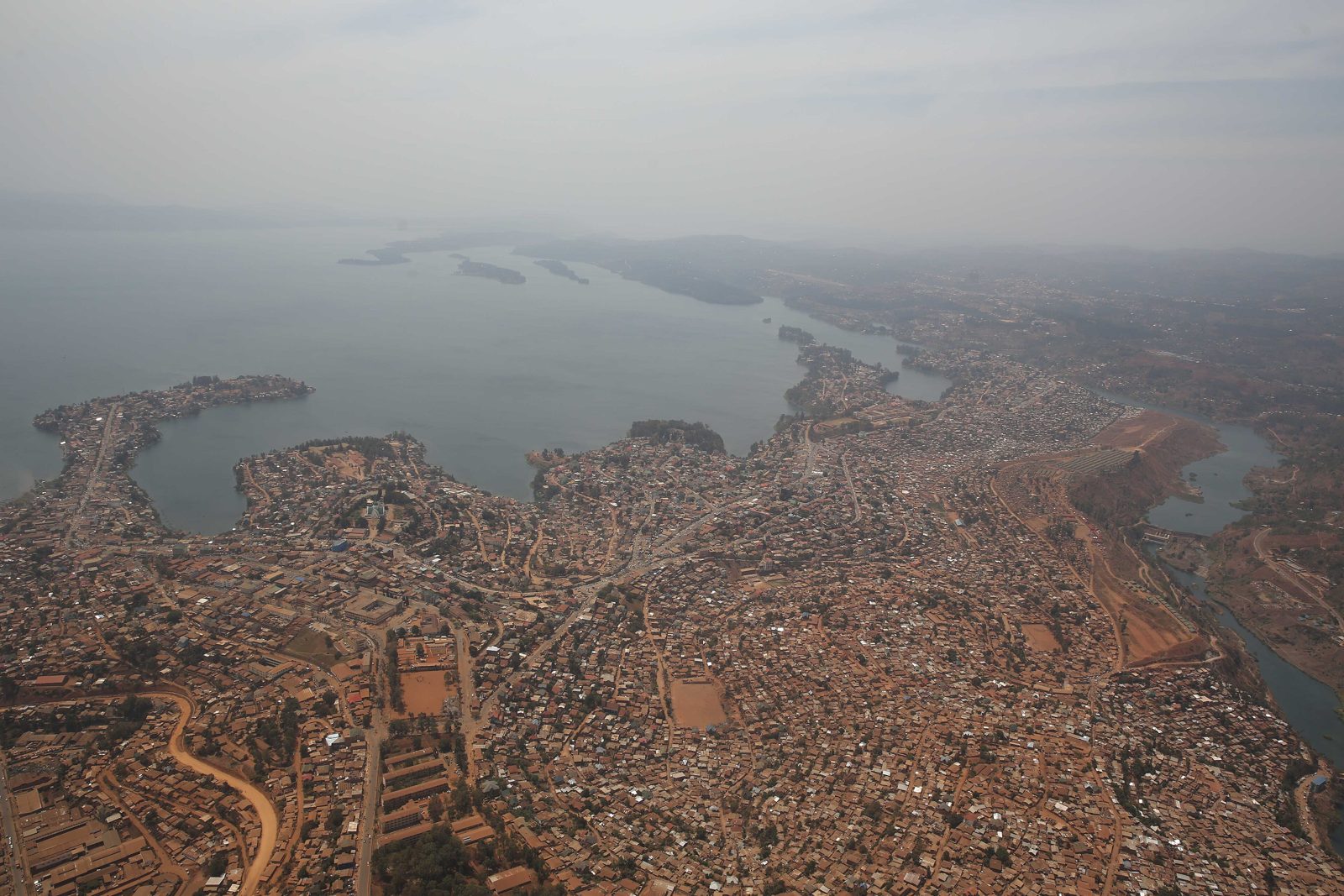
Eastern Congo has been at war, in one configuration or another, for three decades. Ethnic grievance, mineral revenue and an elite that profits from disorder have proved a durable combination. Companies that operate there make choices every week that a compliance manual written in Europe does not anticipate, starting with how a loaded truck gets from a depot to a town through territory somebody armed is taxing.
The corporate question
A Dutch brewing multinational runs its Congolese operation through a wholly owned subsidiary. Research published in 2013 documented payments to armed groups. The company subsequently built a body of policy and operational guidance for human rights risk in high-risk settings, which has since been cited as a reference point by other firms facing the same problem.
What we ask here
Does corporate human rights machinery change anything measurable on the ground? We interview supply chain staff, community organisations and local authorities along the same routes, and we ask the survey sample in Congo whether the company's presence has made their area safer, less safe, or neither. Access is harder here than in any other case, and fieldwork moves only where security allows.
Further reading
- Barkemeyer & Miklian. Responsible Business in Fragile Contexts: Comparing Perceptions from Domestic and Foreign Firms in Myanmar (2019). Sustainability. doi.org/10.3390/su11030598