Bangladesh · Apparel sourcing
Thirteen years after Rana Plaza, the buyer says its own subcontractors undercut the wage it promised.
A Swedish retailer has argued publicly for a living wage inside a sourcing structure that makes the wage unenforceable. The case asks whether one large buyer can move an industry it does not own.
- Sector
- Apparel sourcing
- Places
- Dhaka · Gazipur · Chattogram
- Case lead
- Jason Miklian
- Work package
- WP2
- Questions
- RQ4, RQ5, RQ6
- Fieldwork window
- 2027
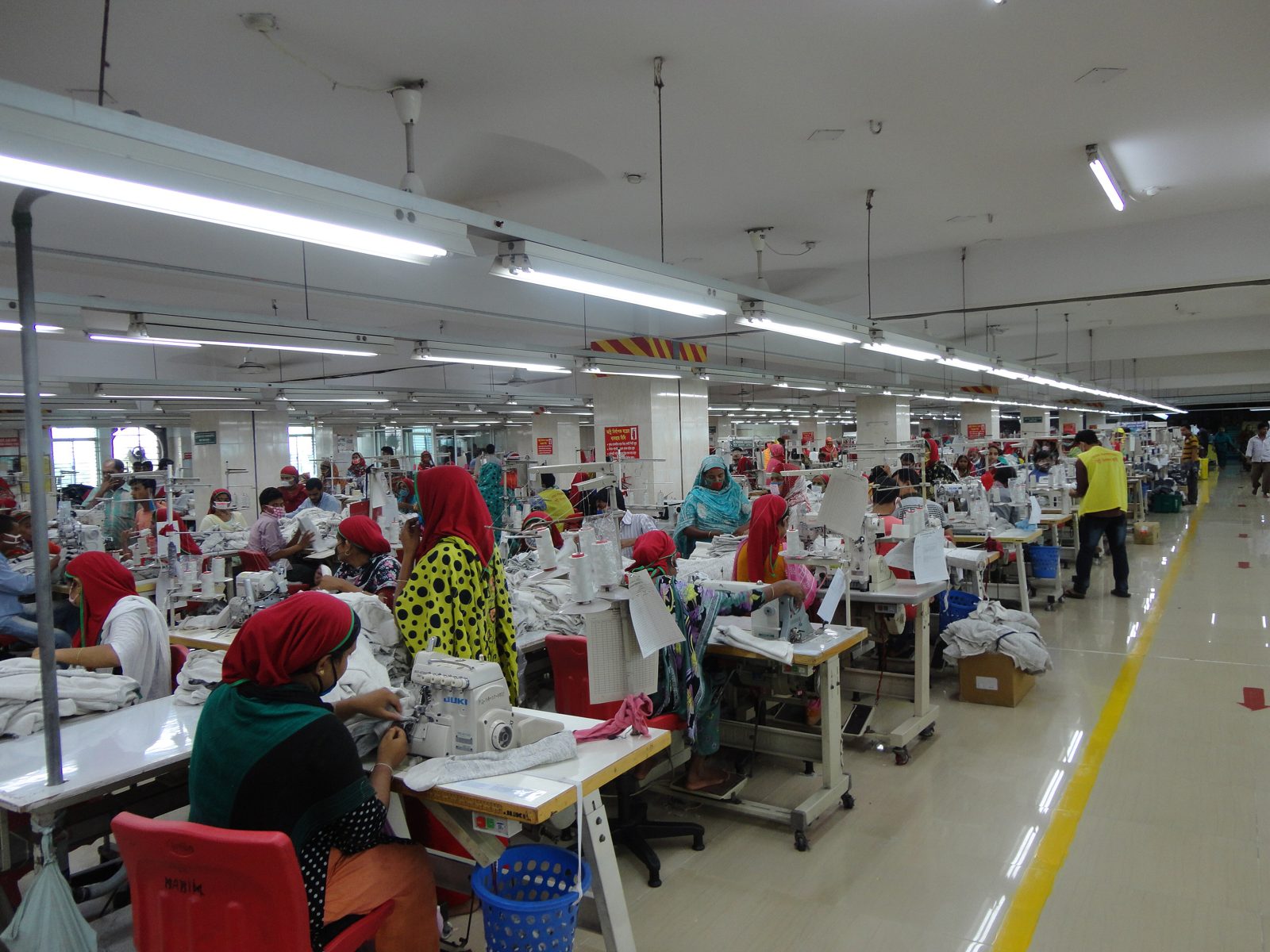

The ground
On 24 April 2013 the Rana Plaza building collapsed outside Dhaka, killing more than eleven hundred garment workers. The response reshaped how European brands talk about supplier safety. Bangladesh remains one of the largest apparel exporters in the world. From a European headquarters, the chain of employment below the first supplier is close to invisible.
The corporate question
The Swedish clothing retailer here has been among the more visible corporate advocates of wage floors in the sector. Its own position is that subcontracting below its tier-one suppliers, and competitors buying at lower prices, undercut the improvements it commits to.
What we ask here
What can a firm do about a harm it did not design and does not control? We interview tier-one suppliers, subcontractors, worker organisations and buying office staff, and we ask the survey sample whether they can name a company that has improved conditions where they live. The gender question runs through everything here, since the workforce is overwhelmingly women and the decision layer above them is not.