Colombia · Industrial technology
A German industrial group bet on rural electrification after the 2016 accord. Then the cities burned.
Colombian firms paid farmers to leave coca and hired ex-combatants. Ten years on we ask whether the peace dividend reached anyone outside the project maps.
- Sector
- Industrial technology
- Places
- Bogotá · Meta · Cauca
- Case lead
- Angelika Rettberg
- Work package
- WP2
- Questions
- RQ2, RQ4, RQ5, RQ7
- Fieldwork window
- 2026

The ground
The government and the FARC negotiated in Havana for four years. The agreement they signed in 2016 was rejected in an October referendum by 50.2 per cent of those who voted, renegotiated, and sent to Congress in November. Rural municipalities that had been under armed group control for a generation became, on paper, places where a company could invest. Some did. Firms paid coffee premiums to farmers who pulled up coca, and put ex-combatants and conflict victims on payroll.
The corporate question
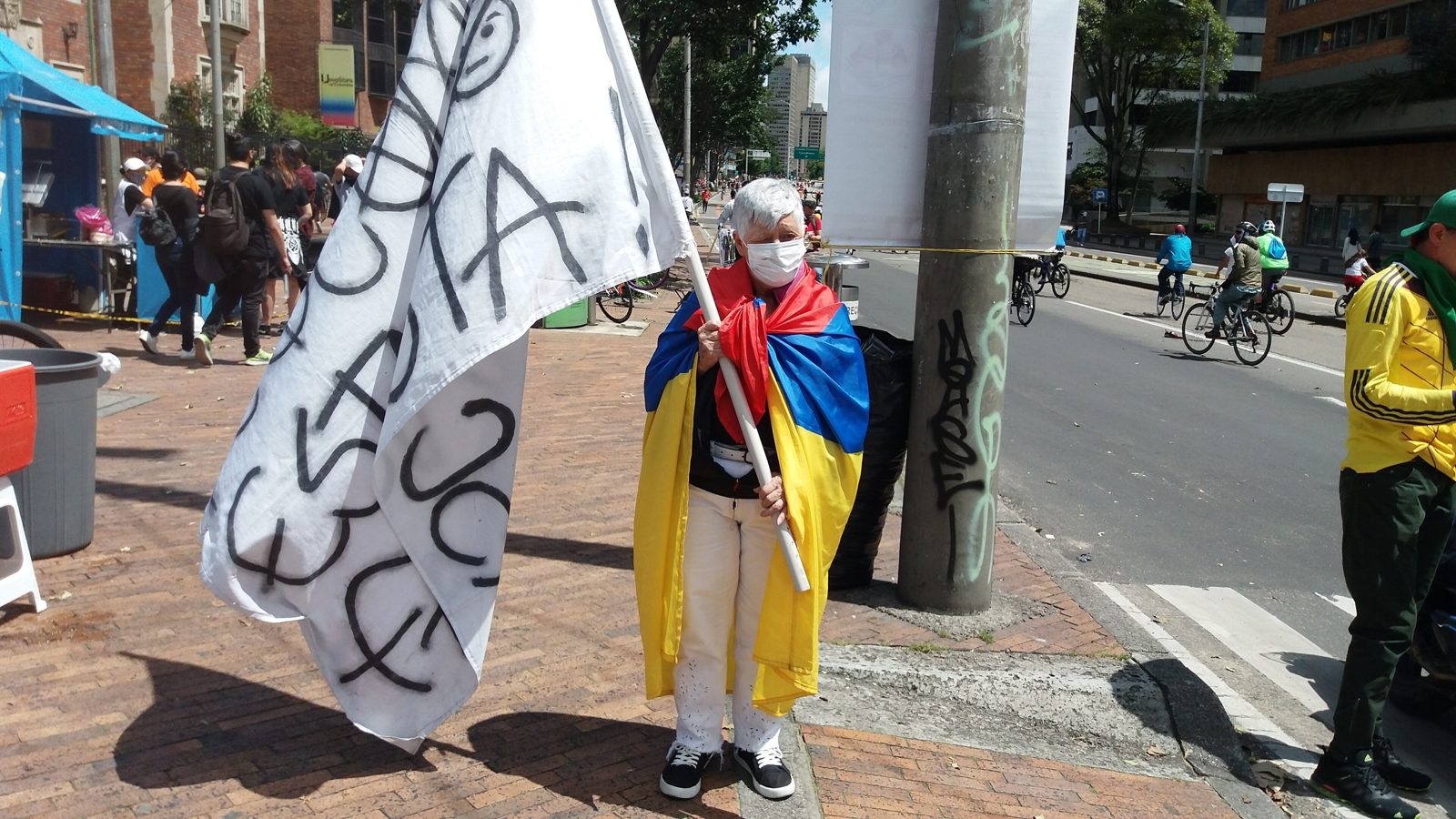
A large German industrial technology group, decades into its Colombian operations, puts human rights at the centre of its sustainability policy. Working with national government, it has pushed alternative energy technologies into rural areas as a livelihoods intervention. Then in April 2021 the national strike arrived, and companies with visible social investment found themselves accused of choosing capital over social cohesion. The firm's public emphasis shifted toward inclusion through education.
What we ask here
What does a technology company's model of post-conflict social impact deliver, and to whom? The survey measures whether people in the municipalities where the projects sit evaluate them differently from people outside. The interviews follow the decision chain from Munich to Bogotá to a municipality in Meta, and ask at which point the theory of change stops being about peace and starts being about reputation.
Further reading
- Miklian & Medina Bickel. Theorizing Business and Local Peacebuilding Through the “Footprints of Peace” Coffee Project in Rural Colombia (2018). Business & Society. doi.org/10.1177/0007650317749441
- Hoelscher & Miklian. Small business leadership, peacebuilding, and citizen perceptions of businesses as peacebuilders: theory and evidence from Colombia (2024). Society and Business Review. doi.org/10.1108/sbr-09-2023-0289