Lebanon · Pharmaceuticals
A French drug company settled a bribery case in 2018. In 2022 it brought in 13,000 cholera vaccines.
Lebanese firms are woven into the parties and sects that govern where the state does not. This case follows what social repair looks like when a company is buying back trust it spent itself.
- Sector
- Pharmaceuticals
- Places
- Beirut · Tripoli · Bekaa
- Case lead
- Jamal Maalouf
- Work package
- WP2
- Questions
- RQ2, RQ4, RQ6
- Fieldwork window
- 2026

The ground
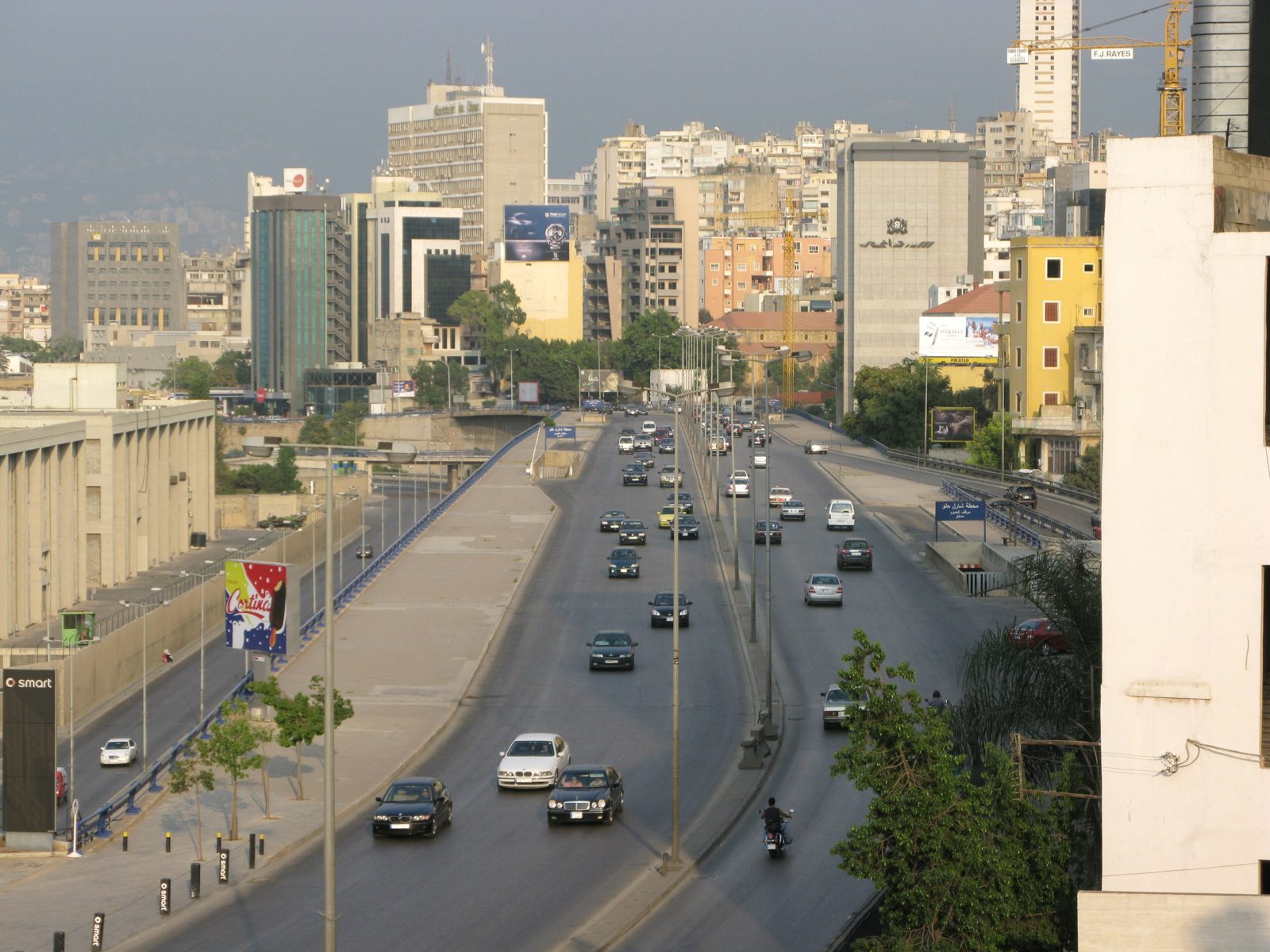
Violence and institutional collapse are part of Lebanon's ordinary operating conditions. The banking system failed in 2019. The port exploded in 2020. Cholera returned in 2022. Through all of it the private sector has been entangled with sectarian parties, and firms have repeatedly carried costs that a functioning state would have carried, sometimes at the expense of their own profitability.
The corporate question
At the centre of this case is a French pharmaceutical multinational. In 2018 it paid roughly twenty-five million dollars to settle United States bribery charges covering payments to officials across the region, Lebanon included. Four years later it arranged the delivery of thirteen thousand cholera vaccines during the outbreak.
What we ask here
Can a company that has been caught rebuild social legitimacy through later good acts, and do the people receiving the benefit connect the two events at all? An earlier study of how Beirut's small firms survived the polycrisis tells us what Lebanese respondents already expect from business; this case starts from that baseline.
Further reading
- Maalouf, Miklian & Hoelscher. Business survival strategies in a polycrisis: SME experiences from Beirut, Lebanon (2025). Business Horizons. doi.org/10.1016/j.bushor.2025.03.002