Indonesia · Palm oil
Can a plantation ever be responsible? Sumatra is where the EU deforestation rules meet the EU trade deal.
A German discount grocer is among Europe's largest buyers of Sumatran palm oil, on a seam where one EU regime restricts imports and EU trade negotiators work to expand them.
- Sector
- Palm oil
- Places
- North Sumatra · Riau · Jakarta
- Case lead
- Jason Miklian
- Work package
- WP2
- Questions
- RQ3, RQ4, RQ7, RQ8
- Fieldwork window
- 2028
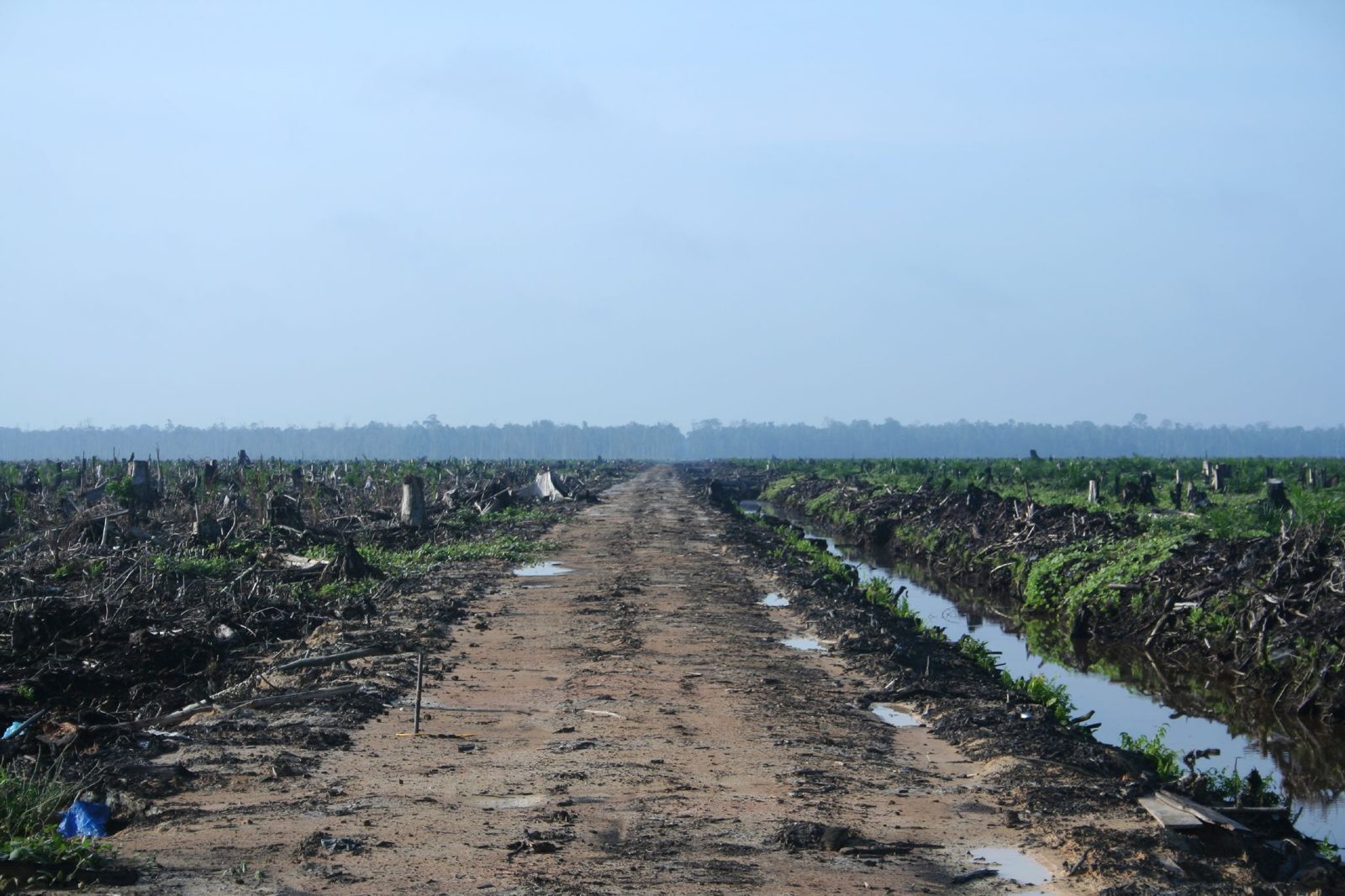

The ground
Sumatra has a long history of resource extraction, and of the conflict and corruption that tend to accompany it, running through oil, coffee, rubber and now palm. Land tenure disputes, smallholder economics and forest loss are the same problem seen from three directions.
The corporate question
A German discount supermarket group, one of the larger European importers of Sumatran palm oil, buys under an EU import regime designed to keep deforestation-linked commodities out of the European market, while EU trade negotiators work on an agreement intended to increase Indonesian exports into that same market. The firm sits between two European policies pulling opposite ways.
What we ask here
Can plantation-model sourcing be environmentally sustainable and rights-respecting at the same time? Or is the honest answer that it cannot, and the reporting exists to avoid saying so?
Further reading
- Hanoteau, Miklian & Barkemeyer. Business and violent conflict as a multidimensional relationship: The case of post-Reformasi Indonesia (2025). Business Horizons. doi.org/10.1016/j.bushor.2025.02.014
- Miklian. Contextualising and theorising economic development, local business and ethnic cleansing in Myanmar (2019). Conflict, Security & Development. doi.org/10.1080/14678802.2019.1561624